The Short Answer
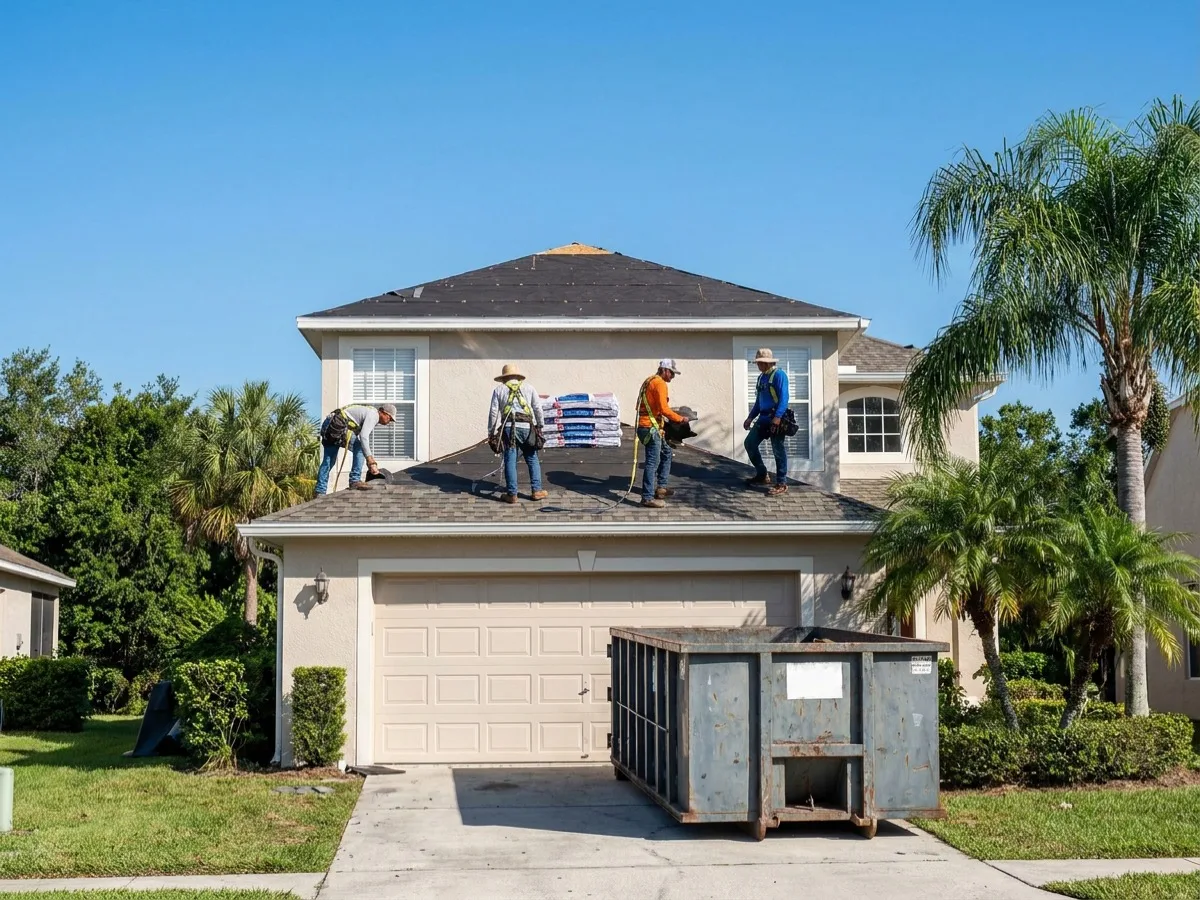
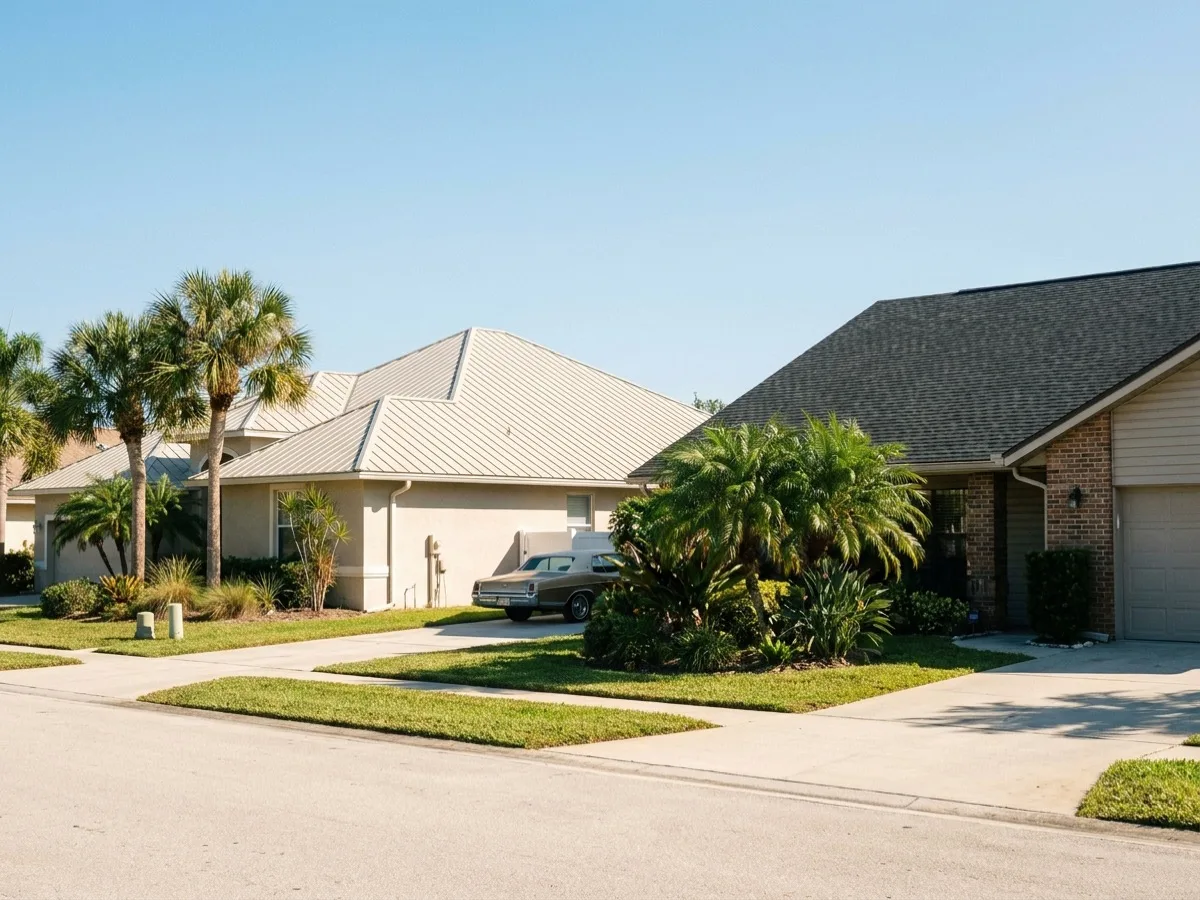
Asphalt shingles are the budget choice: they cost far less to install, and most roofers can do the job quickly. A metal roof costs roughly two to three times as much up front, but in Florida it commonly lasts two to three times as long, resists high winds well and reflects more of the sun's heat. Insurance is a real tiebreaker here. Citizens, the state-backed insurer, treats metal as a "hard" roof with an age limit of 50 years, compared with 25 years for shingles. If you plan to stay in your home for a long time, metal often costs less over the life of the roof.
Side by Side
| Asphalt shingles | Metal (standing seam) | |
|---|---|---|
| Typical installed cost | About $5 to $9 per sq ft | About $8 to $23 per sq ft |
| Typical lifespan in Florida | Often about 15 to 20 years | Often 40 years or more |
| Citizens roof age limit | 25 years (soft roof) | 50 years (hard roof) |
| Wind performance | Good when installed to current code | Excellent; panels are fastened along their length |
| Heat | Absorbs more heat, especially dark colors | Reflects more heat, especially light colors and reflective coatings |
| Noise in heavy rain | Quiet | Quiet over solid decking and underlayment |
| Repairs | Easy and inexpensive | Less frequent, but needs a metal specialist |
Cost and lifespan figures are typical ranges from Florida roofing companies, not official numbers. Your roof's size, pitch and location change the price.
Cost: Up Front and Over Time
A shingle roof on an average Florida home often costs about $13,000 to $22,000, while a standing seam metal roof often costs about $35,000 to $55,000. That gap looks decisive, but consider how many times you will pay for each. If a shingle roof lasts about 18 years and a metal roof lasts about 45, a homeowner who stays put could replace the shingle roof twice in the time one metal roof lasts. For prices on every material, see our guide to roof replacement costs in Florida.
Hurricanes and Wind
Both materials can be installed to meet the Florida Building Code's wind requirements. The difference is how they fail. Shingles are held by nails and adhesive strips, and high winds can lift and tear individual shingles. Standing seam metal panels are fastened along their full length and interlock at the seams, which makes them very resistant to uplift when installed correctly.
The installation matters as much as the material. Ask any roofer about deck nailing, secondary water resistance and the fastening pattern for your home's wind zone. These details also affect your wind mitigation inspection and the discount your insurer gives you.
Product Approvals in Florida
Roofing products used in Florida must carry a state product approval, which you can look up on the Florida Building Commission's product approval site. In Miami-Dade and Broward counties, the code's High-Velocity Hurricane Zone applies stricter testing, and products generally need a Miami-Dade Notice of Acceptance. Ask your roofer for the approval number of the exact panel or shingle they plan to install.
Insurance and Roof Age
Under section 627.7011, Florida Statutes, an insurer may not refuse to issue or renew your policy solely because your roof is less than 15 years old. After that, insurers' own rules matter. Citizens sets its age limit at 25 years for shingle roofs and 50 years for metal, tile and other hard roofs. A roof past its limit must be shown to have at least five years of useful life left. In practice, a metal roof can keep you insurable decades longer than a shingle roof installed the same year. Our guide to Florida roof age rules and the 4-point inspection explains the details.
Heat and Energy Use
Florida sun is hard on roofs and on air conditioning bills. Metal, particularly in light colors or with reflective coatings, reflects more sunlight than standard dark shingles, which can help keep the attic cooler. Light-colored and reflective shingles are also available if you prefer the look of shingles.
Which One Is Right for You?
Choose shingles if:
- You need the lowest up-front price.
- You expect to sell the home within the next several years.
- Your neighborhood or homeowners association restricts metal roofs.
Choose metal if:
- You plan to stay for 15 years or more.
- You want the longest life and the best wind resistance.
- You want to avoid insurance problems tied to roof age.
Some Florida homeowners also consider tile, which shares metal's longer life and "hard roof" status. See who offers tile roofing near you.
What to Ask the Roofer
- What is the product approval number for this panel or shingle?
- Is this an exposed-fastener or standing seam metal system?
- What underlayment and secondary water resistance will you use?
- What warranties cover the material and the installation?
- How many metal roofs have you installed in my area?
Compare the best-reviewed independent roofers in your city, or see who offers metal roofing and shingle roofing.
Sources
- Section 627.7011, Florida Statutes (2026): roof age and homeowners insurance
- Inspections, Citizens Property Insurance Corporation: roof age limits by roof type
- Florida Product Approval, Florida Building Commission
- Prices and lifespans: typical figures from Florida roofing companies, not an official source
Facts checked against these sources on October 9, 2026. This guide is general information, not insurance advice.